Crafting the Ultimate Boom-Bap Anthem: The Story of "Shook Ones, Pt. II"
Crafting the Ultimate Boom-Bap Anthem: The Story of "Shook Ones, Pt. II"
When we talk about the Golden Era of East Coast hip-hop, one instrumental consistently emerges as the undisputed king of the grim, atmospheric boom-bap sound: Mobb Deep's "Shook Ones, Pt. II." Produced by Havoc (one half of Mobb Deep) in 1995 for their sophomore album The Infamous, the beat is a masterclass in tension, grit, and sample manipulation.
The Pitch That Changed Everything
The haunting, sirens-in-the-distance melody that anchors "Shook Ones, Pt. II" was a mystery for years. Beatmakers and crate-diggers scoured record stores trying to find the source. It wasn't until much later that the truth came out: the sample was taken from Herbie Hancock's 1969 track "Jessica."
But Havoc didn't just loop it. He pitched the piano section down drastically, transforming a somewhat upbeat jazz composition into a deeply ominous, melancholic drone. This pitch-shifting technique not only slowed the tempo but altered the harmonic texture of the sound, giving it that iconic, cold Queensbridge feel.
The Drums
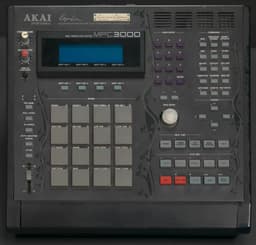
The drum loop is equally legendary. Havoc pulled the snare from the Daly-Wilson Big Band's "Dirty Feet," layering it perfectly with a thumping kick drum. What makes the drums in "Shook Ones" so impactful is their texture. They sound dirty, compressed, and heavy—a hallmark of mid-90s hip-hop production heavily utilizing the Akai MPC60 or E-mu SP-1200 samplers.
Adding to the paranoia of the track is the erratic hi-hat pattern and the subtle addition of a stove clicking. The urban legend goes that Havoc recorded the starter of a gas stove to act as a percussive element, adding a literal piece of the projects into the track's DNA.
The Legacy
"Shook Ones, Pt. II" did more than just propel Mobb Deep to stardom; it defined an entire subgenre. It proved that less is more, and that the emotional weight of a track could be carried by dark atmospheres and perfectly swung drums. Over two decades later, it remains the ultimate litmus test for any MC stepping into a cipher.